How a P-channel JFET Works
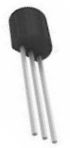
This article explains the operation of a P-channel Junction Field Effect Transistor (JFET) and how to turn it on and off.
This is a typical diagram you would see of voltage biasing of a P-channel JFET. This diagram also serves
to show you all the parts of a P-channel JFET.

How to Turn on a P-Channel JFET
To turn on a P-channel JFET, apply a negative voltage VDD to the drain of the transistor with respect to the source (the source must be sufficiently more negative than the drain (Vs>VD). This will allow a current to flow through the drain-source channel. If the gate voltage, VGG, is 0V, the drain current is at its largest value for safe operation, and the JFET is in the On condition.
So with a sufficient negative voltage, VDD, and no voltage (0V) applied to the base, the P-channel JFET is in maximum operation and has the largest current.
How to Turn Off a P-Channel JFET
To turn off a P-channel JFET, there are 2 steps you can take. You can either cut off the bias negative
voltage, VDD, that powers the drain. Or you can apply a positive voltage to the gate (relative to the source (S)). When a positive
voltage is applied to the gate, the drain current is reduced. As the gate voltage, VGG, becomes more positive, the current
lessens until cutoff, which is when then JFET is in the Off condition. This stops a large drain-source current.